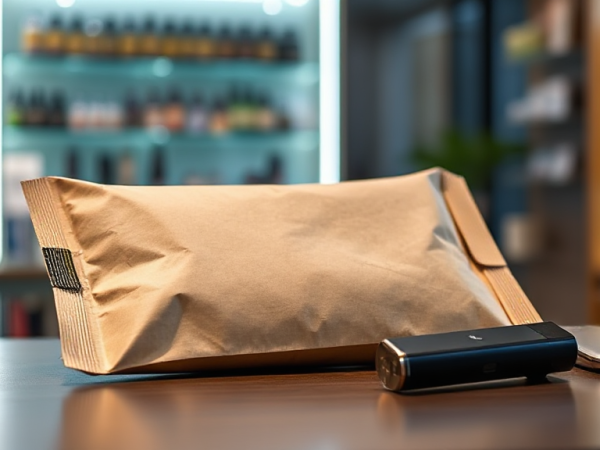
7 Alternatives When Vape Delivery SG Fails: What an Analyst Found
Something shifted in Singapore’s vape retail scene over the past year, and it matters more than most buyers realise. Order volumes have grown, courier windows have tightened, and the old assumption that a late-night order will simply appear at your door has started to crack. If you have ever refreshed a tracking page that never updated, you already know the feeling. The usual method — tap, pay, wait — does not always work anymore.
So what do you do when it does not? That is the question this piece answers. Instead of a generic overview of the market, this is a working comparison of the fallback options an analyst would actually weigh, based on how Vape delivery sg services operate in practice. Some alternatives are better than others. A few are quietly terrible. The point is to know which is which before you need them.
Why did same-day vape delivery suddenly get harder to rely on?
Several forces converged at once, and none of them are dramatic on their own.
First, demand concentrated. Vape users in Singapore increasingly order in the same narrow windows — after work, late evening, weekends — which means courier capacity gets squeezed exactly when everyone wants it. A service that looks instant at 3pm can look sluggish at 9pm.
Second, expectations rose faster than logistics did. Once a buyer experiences a genuine same-day arrival, anything slower feels broken. That gap between expectation and reality is where most frustration lives.
Third, stock location started to matter more than brand choice. A seller with the right model but stock sitting in the wrong place cannot beat a seller with ordinary stock already on local shelves. This is why ready local inventory has become the quiet differentiator in the category, and why operators like SG Lana Group built their model around holding stock locally rather than promising distant fulfilment.
The practical takeaway: the failure is rarely about the product. It is almost always about timing, stock position, and whether the seller controls the last mile or outsources it to someone who does not care about your evening.
What is the first thing you should check when an order stalls?
Before hunting for alternatives, diagnose the actual failure. Most stalled orders fall into one of four buckets, and each has a different fix.
Stock position. If the item was never in local inventory, no amount of chasing will speed it up. Ask directly whether the unit is on hand or being sourced. A straight answer here saves hours.
Cut-off time. Many same-day services have a hard order cut-off. Miss it by twenty minutes and you are effectively buying tomorrow’s delivery while expecting today’s.
Address and access issues. Condo lobbies, gated access, and unclear unit numbers cause more delays than most buyers assume. Discreet packaging helps privacy, but it does not help a courier who cannot find the door.
Payment or verification friction. A pending payment can hold an order in limbo without any visible status change.
Once you know which bucket you are in, the right alternative becomes obvious. If it is stock, you switch sellers. If it is timing, you switch windows. If it is access, you fix your own details and reorder.
Which alternatives actually work when the usual route fails?
Here is where the comparison gets concrete. These are the seven options worth considering, roughly in order of how often they solve the problem.
1. Switch to a seller with confirmed local stock. This is the highest-yield fix. A retailer holding inventory locally can dispatch the same day even when others are quoting multi-day windows. lana vape sg is a useful reference point here because the model is built on ready stock rather than made-to-order sourcing, which removes the single biggest cause of delay.
2. Reorder inside the next cut-off window. If you missed today’s dispatch, ordering early the following day is often faster than waiting on a stalled order to resolve.
3. Confirm the exact model before paying. Vague listings cause substitutions and second dispatches. Naming the precise device — for example an Elf Bar S1 15000 or an Elf Bar Ice King Pro 45k — eliminates back-and-forth.
4. Use a service that controls its own last mile. When the same operation handles stock and delivery, there is no handoff gap. That is the difference between a promise and a schedule.
5. Adjust your delivery window, not your seller. If evenings are congested, a midday slot can arrive sooner than an evening order placed earlier.
6. Simplify your delivery details. Clear unit numbers, a contact number that actually rings, and a stated access instruction prevent the most avoidable delays.
7. Keep a small buffer of your regular device. The most reliable alternative to urgent delivery is not needing it. A spare pod or disposable on the shelf removes the entire problem. Singapore lana vape
Notice that only one of these involves finding a new brand. The rest are about removing friction from the system you already use.
How do you compare two delivery services without wasting a day?
Most buyers compare on price and product range. That is the wrong axis. Price differences in this category are small; delivery reliability differences are enormous. Compare on these instead.
Stock disclosure. Does the seller state whether the item is on hand? A clear yes is worth more than a small discount.
Cut-off clarity. Is the same-day window stated plainly, or buried in vague language? Precision here predicts precision everywhere else.
Dispatch ownership. Does the seller deliver, or hand off to a third party? Handoffs are where tracking goes dark.
Packaging discretion. Discreet packaging is not a luxury feature; it is a baseline expectation for adult buyers in Singapore. If it is not mentioned, ask.
Product authenticity. Authentic devices and pods matter for performance and safety. A seller who is casual about sourcing is usually casual about everything.
A quick way to test this: ask one question before ordering — “Is this in stock locally right now, and what is today’s cut-off?” The quality of the answer tells you more than any landing page. Services like Singapore vape delivery that lead with local stock and same-day dispatch tend to answer that question directly, which is exactly the signal you want.
What does a realistic fallback plan look like in practice?
Abstract advice is useless without a sequence. Here is how an experienced buyer actually handles a failed delivery, step by step.
Step one: stop waiting after the window closes. If the stated window has passed with no update, the order is not late — it is stalled. Waiting longer rarely helps.
Step two: send one precise message. Ask whether the item is in local stock and whether it can still be dispatched today. One clear question beats five vague ones.
Step three: set a decision deadline. Give it thirty minutes. If you get a clear answer, proceed. If not, move to a seller with confirmed stock.
Step four: reorder with the right details. Full address, unit number, reachable phone, and a named product model. This is where Lana vape same day delivery fits naturally into a fallback plan — the same-day promise only holds when stock is local and details are clean.
Step five: log what went wrong. Was it stock, timing, access, or payment? Whatever it was, that is the variable to control next time.
Step six: build a small buffer. Once the immediate need is solved, order one extra of your regular device so the next failure is an inconvenience rather than a crisis.
The whole sequence takes less time than a single round of support emails, and it converts a frustrating situation into a solved one.
What separates a service that fails from one that does not?
After comparing the alternatives, a pattern emerges. The services that hold up under pressure share four traits, and the ones that fold under pressure are missing at least one.
Local stock as the default, not the exception. Everything downstream — same-day dispatch, accurate ETAs, fewer substitutions — depends on this. It is the foundation, not a feature.
Same-day delivery treated as a commitment. Not a marketing phrase, but an operational target with a stated cut-off and a real dispatch process.
Discreet packaging as standard. Adult buyers in Singapore reasonably expect privacy. It should be assumed, not requested.
Authentic products with clear model naming. When a listing names the exact device, the buyer knows what is arriving and the seller cannot hide behind ambiguity.
This is also why the “usual method” fails unevenly. A seller with local stock, owned dispatch, and clear cut-offs rarely fails in the first place. A seller without them fails often, and no amount of support chat fixes a structural gap. For buyers comparing options, Sg vape shop delivery is a reasonable benchmark for what a properly structured local operation looks like — stock on hand, dispatch same day, packaging discreet.
The broader lesson is simple. When the usual route breaks, do not shop for a cheaper price. Shop for local stock, a stated cut-off, and a seller who controls the delivery. Those three things solve the problem that the price comparison never could.
And if you want to avoid the whole exercise next time, keep one spare of your regular device within reach. The best alternative to urgent delivery is not needing it — but when you do, knowing which fallback actually works is the difference between a solved evening and a wasted one.